History for Future Struggles: Labour History, Collective Experience, and the Politics of Possibility
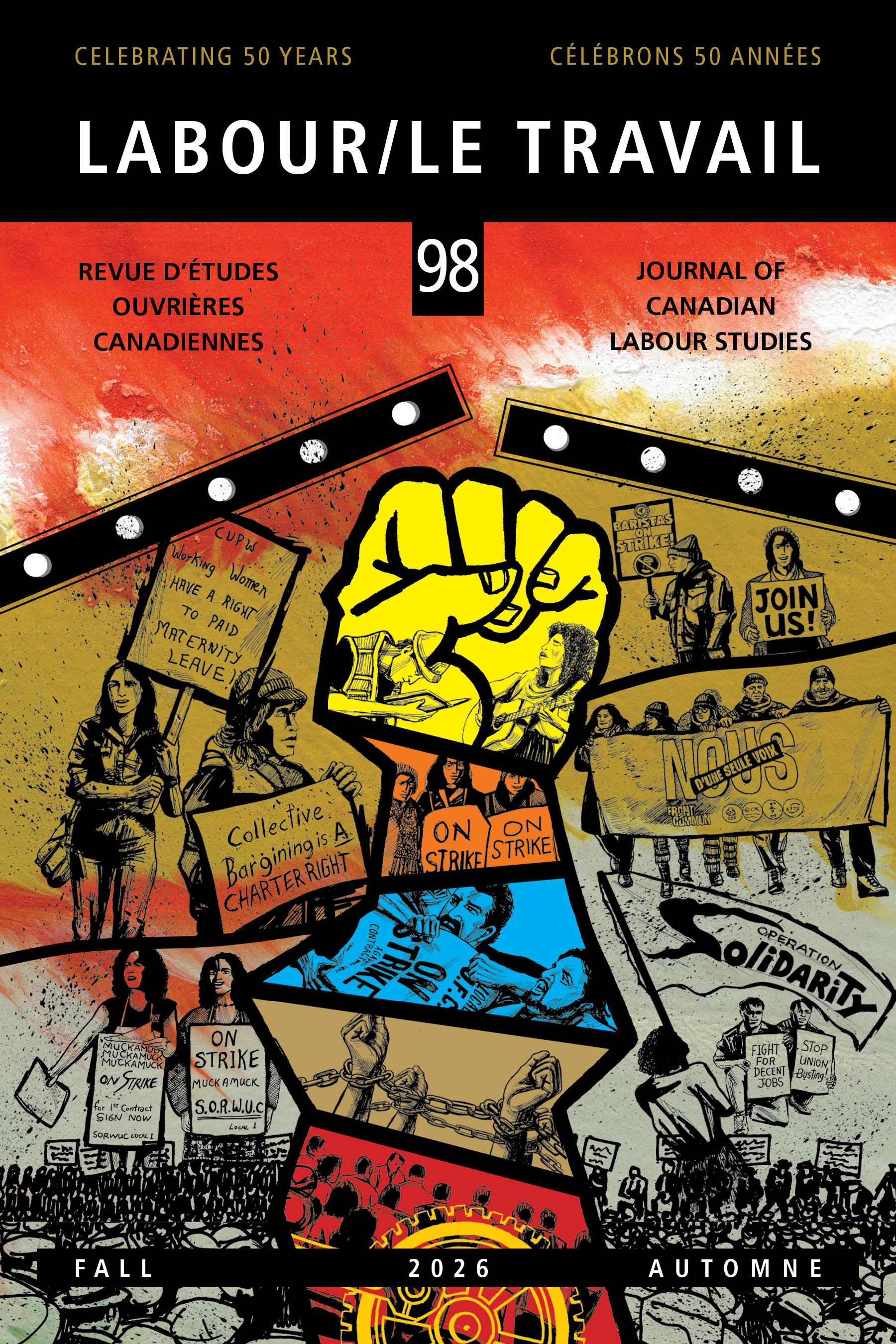
Published 2026-11-17
Keywords
- co-production of knowledge,
- working-class experience,
- collective memory,
- labour movements,
- oral history
- new labour history,
- feminist labour history,
- global labour history,
- political imagination,
- workers’ education,
- future-oriented history ...More
How to Cite
Abstract
Labour history has long sought to recover the experiences of working people and to document struggles over work, inequality, and social transformation. Yet it has less often considered how historical knowledge circulates within labour movements and shapes the imagination of possible futures. This article argues that labour history should be understood not only as the reconstruction of past struggles but also as collective knowledge through which workers interpret present conditions and envision alternatives. Drawing on the new labour history, feminist labour history, oral history, and global labour history, it examines how working-class experience is preserved, interpreted, and transmitted through workers’ education, oral testimony, commemorative practices, and collaborative research. Using examples from Labour/Le Travail, it explores how labour history functions as a repertoire of historical experience that informs political judgement, strategic debate, and collective identity. The article further argues that collaborative and co-produced approaches involving workers, activists, and researchers can address the silences of institutional archives while enabling historical knowledge to circulate beyond the academy. Rather than offering fixed lessons, labour history expands the horizon of political possibility by preserving experiences through which workers have confronted uncertainty, organized collectively, and imagined social alternatives for future struggles and forms of collective action.